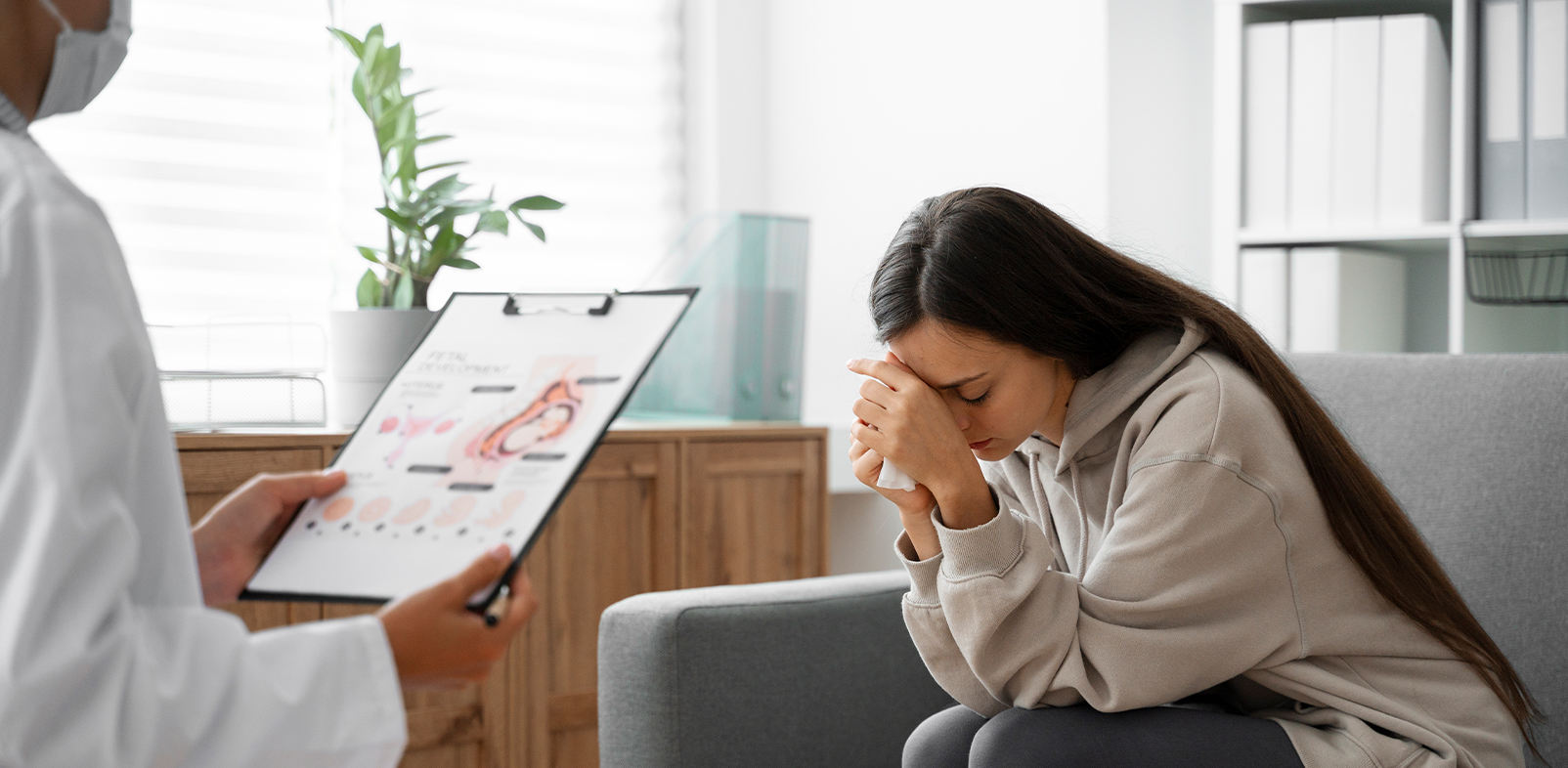
Understanding Anxiety Disorders: Symptoms and Treatment Options
Anxiety is a natural response to stress, and it can be beneficial in some situations, helping you stay alert and focused. However, when anxiety becomes overwhelming or occurs frequently without a clear reason, it may be a sign of an anxiety disorder. Anxiety disorders are among the most common mental health conditions, affecting millions of people worldwide. Understanding the symptoms and treatment options is crucial for managing anxiety effectively and improving quality of life.
#### **What Are Anxiety Disorders?**
Anxiety disorders encompass a range of conditions characterized by excessive and persistent worry, fear, or nervousness. These feelings can be intense and often interfere with daily activities, making it difficult to function normally. Anxiety disorders are not just occasional bouts of worry; they are chronic conditions that can significantly impact one's mental and physical health.
There are several types of anxiety disorders, including:
1. **Generalized Anxiety Disorder (GAD)**: Characterized by excessive, uncontrollable worry about various aspects of daily life, such as work, health, or social interactions. This worry is often disproportionate to the situation and persists for six months or longer.
2. **Panic Disorder**: Involves recurrent panic attacks—sudden episodes of intense fear accompanied by physical symptoms such as heart palpitations, chest pain, shortness of breath, dizziness, or abdominal distress. Panic attacks can occur unexpectedly and often lead to a fear of future attacks.
3. **Social Anxiety Disorder (Social Phobia)**: Characterized by an intense fear of social situations where one may be judged, embarrassed, or humiliated. This fear can lead to avoidance of social interactions and can severely impact daily life.
4. **Specific Phobias**: Involve an irrational and excessive fear of a specific object, situation, or activity (e.g., heights, flying, animals). Exposure to the feared object or situation can trigger immediate anxiety and panic.
5. **Obsessive-Compulsive Disorder (OCD)**: Involves recurring, unwanted thoughts (obsessions) and repetitive behaviors (compulsions) performed to alleviate anxiety. These compulsions can be time-consuming and interfere with daily functioning.
6. **Post-Traumatic Stress Disorder (PTSD)**: Develops after experiencing or witnessing a traumatic event. Symptoms include flashbacks, nightmares, severe anxiety, and uncontrollable thoughts about the event.
#### **Symptoms of Anxiety Disorders**
The symptoms of anxiety disorders can vary depending on the type of disorder, but they generally include both psychological and physical symptoms. Common symptoms include:
- **Excessive Worry**: Persistent worry or fear that is out of proportion to the situation.
- **Restlessness**: Feeling on edge, easily startled, or having difficulty relaxing.
- **Fatigue**: Feeling tired even after adequate rest, often due to the mental strain of constant worry.
- **Difficulty Concentrating**: Struggling to focus or having a blank mind.
- **Irritability**: Becoming easily annoyed or frustrated.
- **Sleep Disturbances**: Difficulty falling asleep, staying asleep, or experiencing restless sleep.
- **Physical Symptoms**: Increased heart rate, sweating, trembling, dizziness, nausea, or muscle tension.
For individuals with panic disorder, the symptoms during a panic attack can be especially severe and may include chest pain, a feeling of choking, numbness or tingling sensations, and a fear of losing control or dying.
#### **Causes and Risk Factors**
The exact cause of anxiety disorders is not fully understood, but a combination of genetic, environmental, and psychological factors is believed to play a role. Some common risk factors include:
- **Family History**: A family history of anxiety or other mental health conditions can increase the risk of developing an anxiety disorder.
- **Trauma**: Experiencing or witnessing a traumatic event can trigger anxiety disorders, particularly PTSD.
- **Personality Traits**: Certain personality traits, such as being prone to worry or being overly self-critical, may increase the likelihood of developing anxiety.
- **Chronic Stress**: Ongoing stress from work, relationships, or financial difficulties can contribute to the development of anxiety disorders.
- **Other Health Conditions**: Chronic illnesses, substance abuse, or other mental health disorders can increase the risk of anxiety.
#### **Treatment Options for Anxiety Disorders**
Anxiety disorders are treatable, and there are various approaches available to help manage symptoms and improve quality of life. The most effective treatment plans often include a combination of therapy, medication, and lifestyle changes.
1. **Cognitive Behavioral Therapy (CBT)**: CBT is one of the most effective forms of therapy for anxiety disorders. It focuses on identifying and changing negative thought patterns and behaviors that contribute to anxiety. Through CBT, individuals learn coping strategies and techniques to manage their anxiety in challenging situations.
2. **Exposure Therapy**: A type of CBT, exposure therapy involves gradually exposing individuals to the feared object or situation in a controlled and safe environment. This helps desensitize the individual to the source of anxiety and reduce avoidance behaviors.
3. **Medication**: Medications such as antidepressants (e.g., SSRIs) and anti-anxiety medications (e.g., benzodiazepines) may be prescribed to help manage the symptoms of anxiety disorders. These medications can help regulate neurotransmitters in the brain and reduce the intensity of anxiety.
4. **Mindfulness and Relaxation Techniques**: Practices such as mindfulness meditation, deep breathing exercises, and progressive muscle relaxation can help individuals manage stress and reduce anxiety symptoms.
5. **Lifestyle Changes**: Regular physical activity, a balanced diet, adequate sleep, and reducing caffeine and alcohol intake can all contribute to better mental health and reduce anxiety symptoms.
6. **Support Groups**: Joining a support group with others who experience similar challenges can provide a sense of community and understanding. It can also be a valuable resource for learning coping strategies and gaining support from peers.
7. **Alternative Therapies**: Some individuals find relief from anxiety through alternative therapies such as acupuncture, yoga, or aromatherapy. While these therapies may not be a substitute for traditional treatments, they can be complementary approaches to managing anxiety.
#### **Seeking Help**
If you or someone you know is struggling with anxiety, it’s important to seek help from a mental health professional. Early intervention can prevent anxiety disorders from worsening and can help individuals develop effective coping strategies. Remember, anxiety is a treatable condition, and with the right support, individuals can lead fulfilling and balanced lives.
#### **Conclusion**
Anxiety disorders are common but highly treatable mental health conditions. By understanding the symptoms and available treatment options, individuals can take proactive steps to manage their anxiety and improve their overall well-being. Whether through therapy, medication, lifestyle changes, or a combination of approaches, effective treatment is within reach, and recovery is possible.